Blog
30-Day Posture Challenge to Improve Alignment and Strength

Why Posture Matters More Than You Think
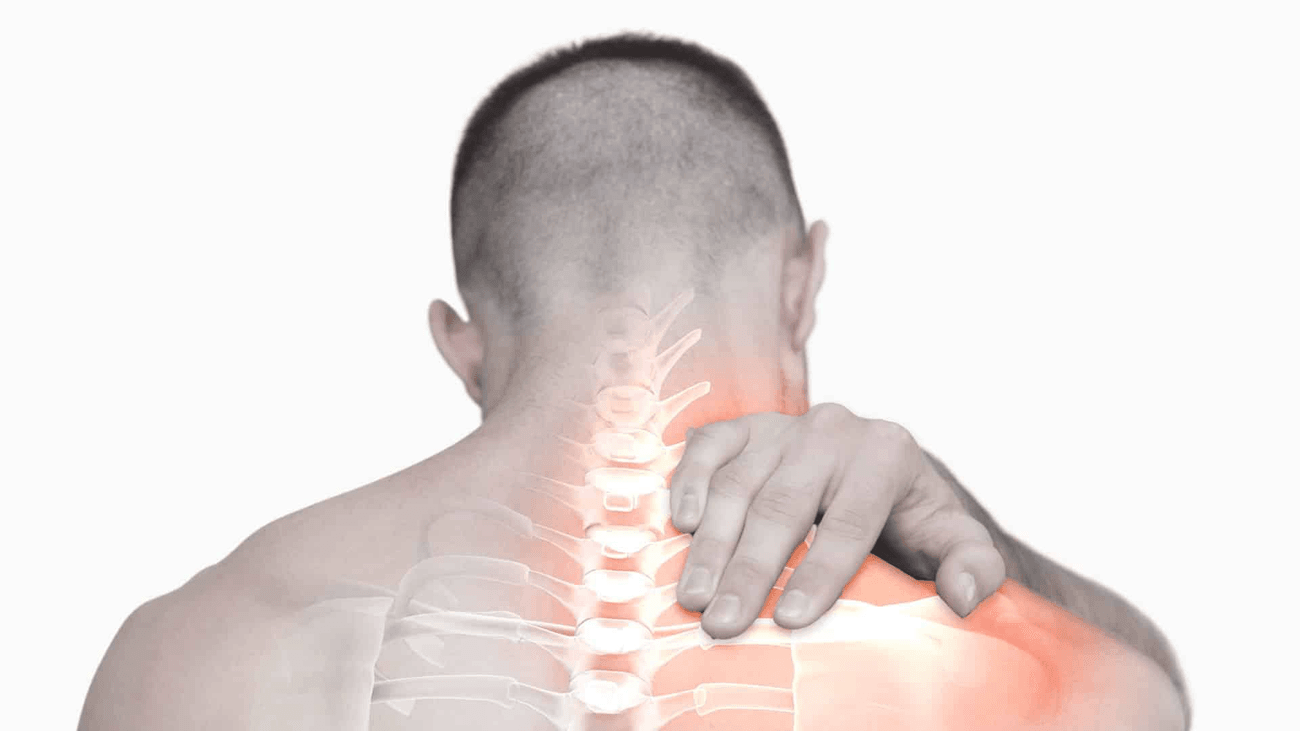
Posture is more than just a matter of appearance—it plays a key role in how your body functions. When your posture is poor, it can lead to neck and back pain, tension headaches, muscle fatigue, and even shallow breathing. Over time, these small imbalances put extra stress on your spine and joints, affecting how you move and feel. The good news? Posture can improve—no matter your age or lifestyle. And the changes don’t need to be extreme. A few minutes of mindful movement each day can bring noticeable results. This 30-day challenge is designed to help you get started.
What Is the 30-Day Posture Challenge?
This challenge is built for everyday people—whether you’re sitting at a desk, standing on your feet, or juggling both. It gives you a practical, week-by-week plan to increase awareness, loosen tight muscles, build strength, and create lasting habits that support a healthier spine.
There’s no equipment required. Most of the daily exercises can be done in under 10 minutes. You don’t need to be fit or flexible—just willing to try.
Your 4-Week Plan (Simplified and Effective)
Week 1: Build Awareness
Posture begins with noticing how you hold yourself. In this first week, you’ll start developing that awareness.
● Wall Test: Stand with your back against a wall—heels a few inches away—and check if your head, shoulder blades, and hips touch the wall. This helps you feel what proper alignment actually feels like.
● Posture Check-Ins: Set reminders on your phone or place sticky notes around your home or desk. These prompts encourage you to sit or stand tall throughout the day, reinforcing better habits.
● Neck and Shoulder Rolls: These gentle movements reduce tension that builds from slouching or looking down at devices. Releasing this tightness early helps prevent pain later.
Week 2: Stretch Tight Areas
Many people have tight chest, neck, and hip muscles from sitting too much. Stretching these areas creates space in your body and makes it easier to stand upright.
● Doorway Chest Stretch: Standing in a doorway, place your arms on either side and gently lean forward. This opens the chest, counters slouching, and helps you breathe more freely.
● Cat-Cow Stretch: On hands and knees, alternate between arching and rounding your back. This simple spinal movement improves flexibility and encourages a healthier range of motion in your spine.
● Seated Twists: Sitting tall in a chair, gently rotate your torso side to side. This releases upper back stiffness, especially for those who sit for long hours.
Week 3: Strengthen Key Muscles
Good posture isn’t just about stretching—it’s also about strength. This week, you’ll build up the muscles that hold your body upright.
● Bird-Dog: From an all-fours position, extend your opposite arm and leg. This strengthens your core, back, and hips—key areas for postural stability.
● Wall Angels: With your back against a wall, slide your arms up and down in a “goalpost” position. This strengthens upper back muscles and improves shoulder mobility, making it easier to keep your chest open.
● Glute Bridges: Lying on your back with knees bent, lift your hips off the ground. This exercise activates the glutes and supports your lower back, which is essential for standing and walking with proper alignment.
Week 4: Make It a Habit
This final week is about turning your new posture into a daily habit.
● Active Sitting and Standing: Whether you’re waiting in line, brushing your teeth, or working at a desk, try keeping your core gently engaged and your spine tall. It’s not about being rigid—it’s about being intentional.
● Walk Tall: Focus on posture while walking—head up, shoulders back, arms relaxed. These small adjustments help you carry your body with confidence and strength.
● Daily Challenge: For at least 30 minutes each day, maintain mindful posture during normal activities. This trains your body to hold better alignment naturally, without needing constant reminders.
Therapies That Support Better Posture
Sometimes posture problems come from deeper imbalances that can’t be fixed with exercises alone. That’s where our clinic comes in. We offer targeted therapies that help your body release tension, move freely, and build strength from the inside out.
Chiropractic Care
If your spine is misaligned—even slightly—your muscles may have to work overtime to keep you upright. This can cause ongoing pain and tightness, no matter how many stretches you do.
Chiropractic adjustments gently realign the spine, restoring proper joint movement and easing pressure on surrounding muscles and nerves. With regular care, your body learns to hold itself in better alignment. This makes your posture work easier and more effective.
Massage Therapy
Muscle tension is one of the biggest barriers to good posture. When your upper back or neck is stiff, it’s hard to sit or stand comfortably.
Massage therapy targets these problem areas by loosening tight muscles, improving circulation, and relaxing deep layers of tension. It helps your body let go of the tightness that keeps you slouching, allowing you to move with greater ease and awareness.
Massage also pairs well with chiropractic care—many people find they hold their adjustments better after a massage.
Acupuncture
If you’re dealing with ongoing pain, stiffness, or even stress-related tension, acupuncture can be a powerful support.
By stimulating specific points on the body, acupuncture helps reduce inflammation, relax tight muscles, and calm the nervous system. This makes it especially helpful for people who feel stuck or restricted when trying to improve their posture. It’s a gentle, natural way to support your body’s healing process.
Corrective Exercise & Movement Coaching
Doing the right exercises the right way is key to long-term posture improvement. Our team can assess your posture, identify imbalances, and create a custom plan to strengthen the areas you need most.
We’ll also guide you on proper movement techniques, helping you avoid common mistakes and get results faster. If you’ve tried posture apps or YouTube routines without success, this personalized support can make all the difference.
When Should You Add Therapy?
If you’re experiencing pain, stiffness, or frustration during your posture challenge, that’s a signal your body may need more support. You don’t need to wait for things to get worse. Therapies like chiropractic care, massage, and acupuncture work with your efforts—making it easier to stay consistent and see real change.
After 30 Days—What’s Next?
By the end of the challenge, most people notice real improvements—less pain, better awareness, and a stronger, more confident posture. Keep doing the exercises and stretches that worked for you, and consider follow-up support at our clinic to continue your progress.
Final Thoughts
You don’t need perfect posture overnight. What you need is momentum, support, and a simple plan. This 30-day challenge is a great place to start—and our team is here to help you take the next steps. Whether you’re looking for pain relief, better mobility, or just want to feel more comfortable in your body, our therapies are designed to support the changes you’re ready to make.