
What is Vestibular Rehabilitation Therapy ?
VRT involves exercises that help you manage dizziness and balance issues (imbalance). This therapy assist patients cope with the symptoms of conditions such as vertigo and labyrinthitis, with one of the main symptoms being dizziness.
Dizziness is a term used to describe everything from feeling faint or lightheaded to feeling weak or unsteady. Vertigo is the sense that you or your surroundings are spinning. Both of these issues affect your balance and ability to stay standing still and upright.
A few reasons for balance issues are as follows:
- Stroke
- Lack of physical activity/movement
- Aging
- Inner ear problems related to the vestibular system such as Meniere’s disease
- Arthritis
Symptoms can vary from acute to chronic, and in some circumstances, they can
indicate significant health threats.
How Can Vestibular Therapy Help?
Balance problems include a wide variety of issues, but they are all connected by their impact on the vestibular system, also known as the inner ear. Vestibular therapy, also known as vestibular rehabilitation, is a procedure that involves “adaptation and
compensation.”
During treatment, the vestibular system is being “reprogrammed.” This reprogramming establishes associations with the brain to adjust imbalances. Equilibrium is also restored in passive and active treatments.
Vestibular therapy can help with many conditions, including the following:
- Migraines
- Stroke
- Vestibular neuritis
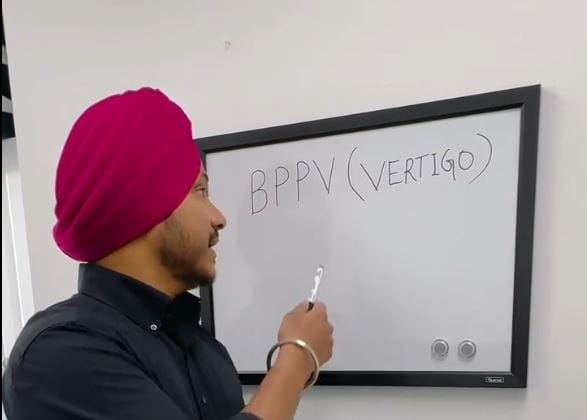
- Benign paroxysmal positional vertigo (BPPV)
- Meniere’s disease
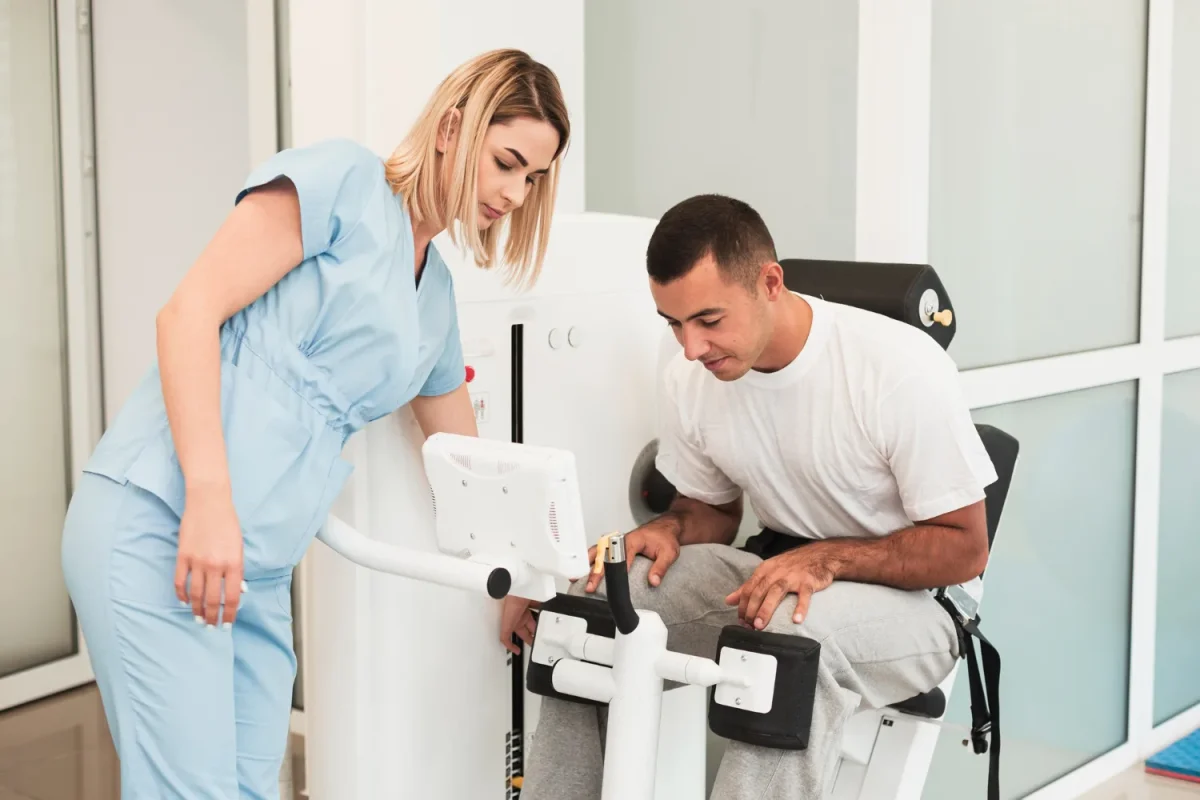
Balance issues and dizziness may affect you in different ways. Physiotherapy may include these exercises:
- Eye movement control.
- Balance retraining.
- Stretching and strengthening.
How Long Is a Typical Vestibular Rehabilitation Program?
That depends on your situation, why you have dizziness or balance issues and how you
respond to therapy. Most people have six to eight weekly sessions. Some people may
only need one or two sessions and others several months of ongoing treatment,
including doing exercises on their own.
Same Day Appointment Available
Need an appointment? Simply click Book an Appointment or call us, and we’ll take care of the rest.
Phone: (604) 596-6775

Direct Billing to Extend Health Plans.
We see and treat motor vehicle, work-related, and sports injuries.


What is Vestibular Rehabilitation Therapy ?
VRT involves exercises that help you manage dizziness and balance issues (imbalance). This therapy assist patients cope with the symptoms of conditions such as vertigo and labyrinthitis, with one of the main symptoms being dizziness.
Dizziness is a term used to describe everything from feeling faint or lightheaded to feeling weak or unsteady. Vertigo is the sense that you or your surroundings are spinning. Both of these issues affect your balance and ability to stay standing still and upright.
A few reasons for balance issues are as follows:
- Stroke
- Lack of physical activity/movement
- Aging
- Inner ear problems related to the vestibular system such as Meniere’s disease
- Arthritis
Symptoms can vary from acute to chronic, and in some circumstances, they can
indicate significant health threats.

How Long Is a Typical Vestibular Rehabilitation Program?
That depends on your situation, why you have dizziness or balance issues and how you
respond to therapy. Most people have six to eight weekly sessions. Some people may
only need one or two sessions and others several months of ongoing treatment,
including doing exercises on their own.
How Can Vestibular Therapy Help?
Balance problems include a wide variety of issues, but they are all connected by their impact on the vestibular system, also known as the inner ear. Vestibular therapy, also known as vestibular rehabilitation, is a procedure that involves “adaptation and
compensation.”
During treatment, the vestibular system is being “reprogrammed.” This reprogramming establishes associations with the brain to adjust imbalances. Equilibrium is also restored in passive and active treatments.
Vestibular therapy can help with many conditions, including the following:
- Migraines
- Stroke
- Vestibular neuritis
- Benign paroxysmal positional vertigo (BPPV)
- Meniere’s disease
Balance issues and dizziness may affect you in different ways. Physiotherapy may include these exercises:
- Eye movement control.
- Balance retraining.
- Stretching and strengthening.


